Enhance Your Home With Skilled Architecture Offerings
Enhancing a home through professional architecture services involves more than just aesthetics. It requires a deep comprehension of functional design and local building codes. Working with an seasoned architectural professional can resolve typical obstacles while enhancing property value. The process is organized and comprehensive, guaranteeing that every detail corresponds with the homeowner's goals. Yet, many homeowners find it difficult to maneuver through this journey successfully. What steps can they take to secure a successful collaboration?
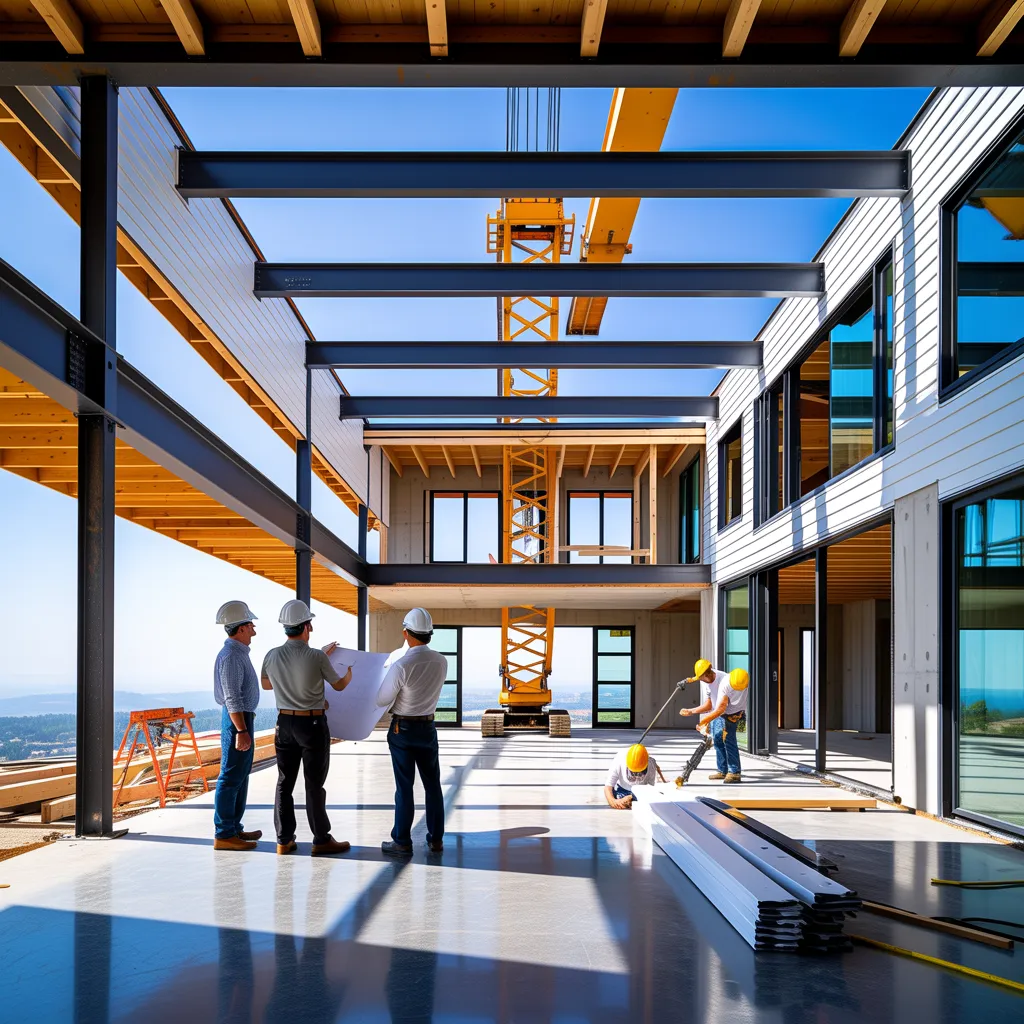
Standard Home Design Complications and Methods Architects Tackle Them
Why is home design so demanding for numerous homeowners? The difficulty of aligning design preferences with practical needs often overwhelms them. Homeowners routinely deal with spatial constraints, financial constraints, and regulatory standards, rendering the design process difficult. Additionally, many are short of the specialized skills required to tackle structural issues and building codes.
Architects constitute an vital role in reducing these issues. Their expertise allows them to address the nuances of design, confirming that a homeowner's goal harmonizes with concrete circumstances. Architects can present novel strategies to improve space while respecting safety regulations. They also contribute in building integrated designs that express the resident's preferences. By imparting perspectives into materials and building techniques, architects support accelerate the decision stage. In the end, their competence translates a seemingly challenging task into a joint process, encouraging a equilibrated balance between ingenuity and usefulness in home planning.
Benefits of Partnering With a Professional Architect
Engaging a qualified expert strengthens the house planning process by merging expert knowledge with the owner's perspective. Architects provide a substantial expertise in design methodologies, construction codes, and eco-conscious methods, making sure that the project not only achieves visual objectives but also adheres to compliance standards. Their skill in picturing and express complex ideas supports converting conceptual ideas into tangible designs.
Additionally, architects can deliver creative solutions to design challenges, enhancing functionality and layout. They also handle the complexities of the construction phase, coordinating with contractors and suppliers to ensure timelines and budgets are maintained. This expert management minimizes potential errors and decreases the stress connected with home renovation or construction. In the end, engaging with an architect results in a cohesive, carefully planned space that captures the homeowner's character while improving overall home value.
What Are the Key Phases in the Architectural Workflow?
How does the architectural process unfold from initial idea to finish? The journey starts with an first meeting, where the architect and client talk about objectives, needs, and budget. This stage is essential for creating a clear vision. Next, the designer conducts site analysis, assessing factors like topography, climate, and building codes.
Next, the design phase begins. During this time, sketches and digital models are generated, allowing the client to picture the project. After the design is locked in, the architect puts together comprehensive technical documents, including specifications and drawings.
After obtaining required permits, the project moves into the building stage. The architect frequently collaborates with contractors to ensure that the plan is implemented correctly. Regular on-site inspections and evaluations help maintain quality and compliance to the original vision. Finally, the project concludes in a walkthrough, verifying that the completed structure satisfies the client's expectations before the official handover.
How Can You Discover the Right Architect for Your Home?
Discovering the right professional for your home requires thoughtful consideration and research. Prospective residents should start by identifying their distinct needs and budget, which will direct their search. Recommendations from friends, relatives, or real estate professionals can deliver valuable opportunities. Web-based portfolios and ratings help with assessing an architect's prior accomplishments and client happiness.
Next, prospective parties should interview several prospects to measure their communication style, expertise, and strategy for design. It's essential to explore project parameters and timeline expectations to guarantee mutual understanding. Additionally, verifying qualifications and verifying appropriate certifications and licenses can circumvent future complications.
Ultimately, property owners should listen to their instincts. The best architect should not only display the necessary skills but also complement the homeowner's vision and values. This partnership creates a productive atmosphere, ultimately producing a successful partnership in developing a perfect residence.
How to Communicate Your Vision Effectively
Effectively communicating a vision for home design is crucial for a fruitful collaboration between homeowners and architects. To accomplish this, homeowners should start by distinctly outlining their requirements and preferences. Developing a mood board with images, colors, and materials can assist in expressing aesthetic preferences. Additionally, specifying practical specifications, such as space dimensions and layout, ensures that the architect understands practical elements.
Property owners should also engage in frank discussion, promoting inquiries and input to refine their concept. Frequent meetings during the planning phase encourage teamwork and openness. Employing straightforward language to express ideas and concerns can avoid confusion and help match goals.
In conclusion, embracing the architect's proficiency facilitates a more dynamic exchange of ideas. By uniting personal vision with professional insight, homeowners can build a constructive relationship that produces a beautifully designed space expressing their aspirations.
Strategies for Financial planning Building design Offerings
When initiating a home design project, creating a budget for architecture services is vital to prevent monetary burden later. Homeowners should start by studying typical fees in their area, which can vary based on the project's complexity and the architect's experience. It is prudent to allocate a percentage of the overall project cost specifically for architectural services, typically ranging from 5% to 15%.
Next, interested customers should assess the spectrum of services required—whether they desire full design and project coordination or only initial consultations. Fostering transparent dialogue with prospective design experts concerning their payment structures can deliver examine this material clarity on expenses.
Additionally, homeowners should take into account possible changes and unforeseen costs, building a buffer into the budget. By explicitly establishing their budget limits in advance, customers can guarantee they select an design professional who matches their vision while staying inside their financial boundaries.
Frequently Asked Questions
What Selection of Architecture Should I Choose for My Home?
Homeowners are able to opt for from numerous architectural styles, featuring modern, traditional, colonial, Mediterranean, and contemporary. Each style offers distinctive aesthetic qualities and functional aspects, permitting individuals to convey personal taste while factoring in regional influences and environmental factors.
How Long Does the Architectural Process Typically Take?
The architectural process typically requires several months, depending on project intricacy, design sign-offs, and local codes. Factors such as client input and building timelines can also influence the schedule significantly throughout the process.
Can Architects Help With Eco-friendly Building Choices?
Architects can indeed assist with eco-friendly design options. They integrate sustainable materials, energy-efficient systems, and innovative layouts, ensuring projects minimize environmental impact while maximizing functionality and aesthetic appeal, matching with clients' sustainability goals successfully.
What Qualifications Can I Seek When Hiring an Building Designer?
When appointing an architectural professional, one should take into account their education, professional standing, track record with pertinent projects, compilation of work displaying their design approach, and awareness of local regulations. Capacity for clear communication and endorsements from satisfied clients also hold significant importance in the decision-making process.
What Approach Do Building Designers Use to Address Zoning and Permit Concerns?
Architects handle regulatory obstacles by conducting thorough research on regional requirements, preparing necessary documentation, and liaising with municipal authorities. Their knowledge guarantees adherence, streamlining the approval process for customer developments effectively.